The event industry has invested heavily in personalization technology over the past several years. Dynamic content engines, algorithmic recommendations, AI-driven matchmaking systems designed to connect the right people with the right sessions and the right partners. These tools have real value, and they are not going away. But somewhere in the rush to build smarter systems, it is worth pausing to remember that the most meaningful moments at any event still come from something simpler: people paying attention to other people. That is what I experienced over two days at Smart Meetings Luxury Events in Coral Gables, and it reminded me what genuine personalization actually looks like when it is built into the bones of an experience rather than delivered through a screen.
The Arrival
I pulled up to the Loews Coral Gables, and the bellman asked my name before he did anything else. He then walked me into the lobby and personally introduced me to the front desk staff, so by the time I reached the counter, they already knew who I was and greeted me accordingly. It is a simple gesture, but it changes the entire tone of a stay. Instead of feeling processed through a system, I felt welcomed by people who cared enough to make the introduction themselves.
That care extended into a small detail that mattered a lot after a day of travel. Nourishment and gifts were waiting for weary travelers picking up badges, an acknowledgment that people arrive tired and depleted, and that the first moments of an experience should meet them there rather than expect them to catch up. It is easy to overlook how much a gesture like that does for someone who has spent the day in transit. It told me the event had thought about who I would be when I walked through the door, not just who I would be once I had rested and recovered.
That same level of attention carried through the entire visit, and it changed how I felt through the two days. I stopped anticipating friction and started trusting that I was being looked after. When you are not bracing for something draining, you show up more open, more present, and more willing to actually engage with the people and content around you.
The Framework
The opening keynote came from Neen James, a luxury experience consultant and author, and while I wasn’t sure I would relate, she gave me ideas I can put into action immediately. She argues that luxury is both inclusive and exclusive at the same time, and that it functions less as a price point and more as a mindset. She calls this idea “systems of elevation,” the notion that you elevate an experience not by adding expense, but by building small, intentional moments that make people feel seen and valued.
Her remarks tied this together beautifully. She paid tribute to Madame Clicquot, the woman behind Veuve Clicquot champagne, who did not create an exclusive luxury reserved only for the wealthy but instead built an accessible brand that ordinary people could reach for during real celebrations. Neen also referenced Dolly Parton, noting that while Dolly is remembered for her Grammy wins, people are talking more about the Imagination Library and Dollywood, the systems she built to serve others over the course of her career. The through line in both examples was the same: serving is the currency to elevation. That framing shifted how I thought about my own work for the rest of the trip. It is not about how much you spend on an experience. It is about whether the person on the receiving end feels like you built something with them in mind.
The Reception
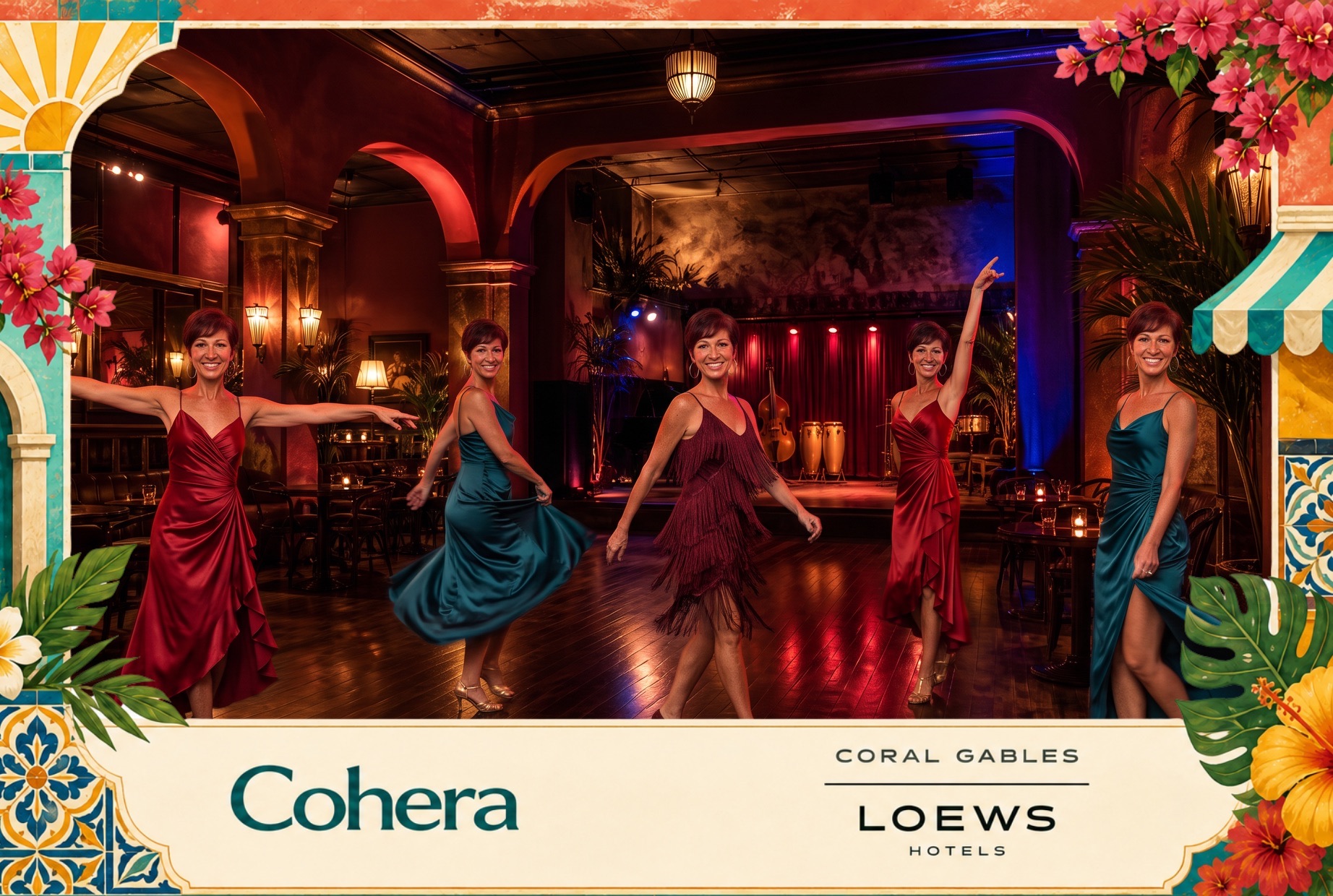
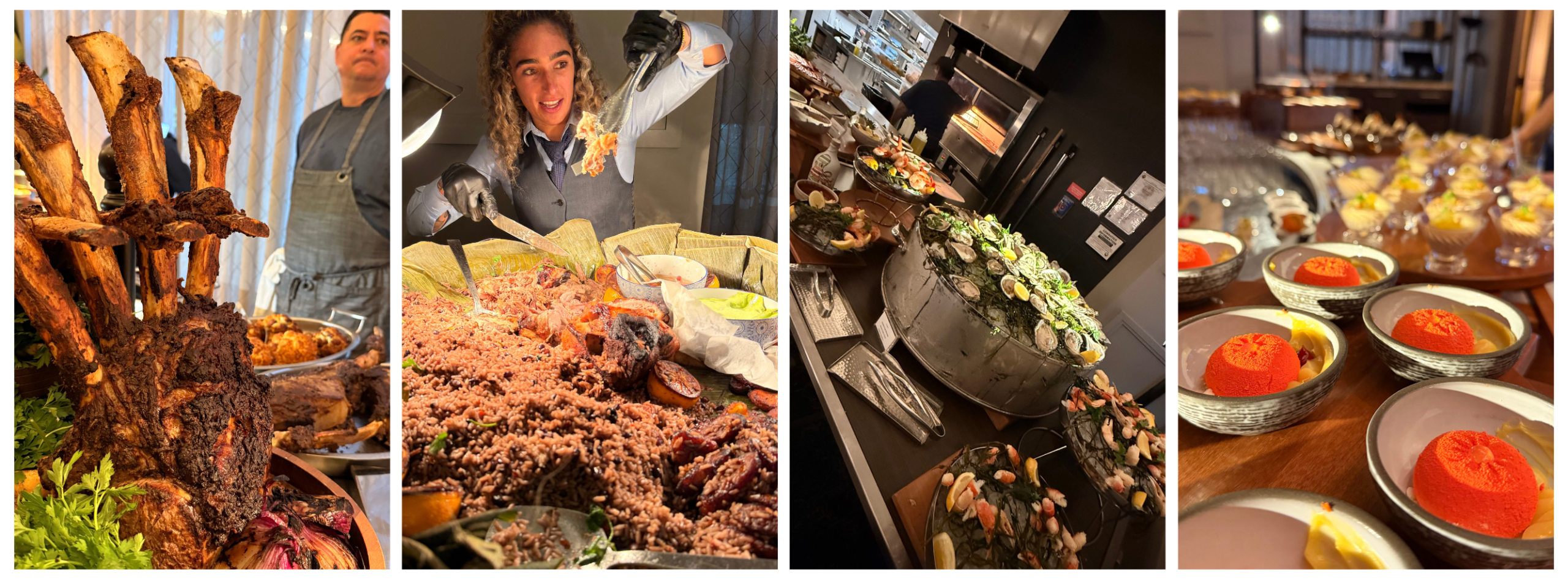
That evening’s welcome reception, Havana Nights, put Neen’s framework into practice. The spread alone spoke to the level of care Loews brought to every part of the two days: tomahawk steak, crab claws, champagne and mojitos flowing freely, ingredients that tasted like they had been sourced that morning, and a dessert display that seemed to stretch on forever. The service matched it. Empty plates and glasses disappeared almost before you noticed you had set them down, handled by a staff that moved through the room without ever making its presence felt. A handful of optional activations were available for guests to choose from, and none of it was mandatory. What made it work was the freedom behind it. Nobody was funneled into the same experience or made to feel like they were missing out if they opted out.
 That kind of freedom does something to a room. People stop performing enthusiasm and start actually enjoying themselves, because nothing is being asked of them beyond showing up as they are. I noticed people relaxing into real conversation faster than I typically see at a welcome reception, and I think that came directly from not being pressured into anything, and from a team that had already taken care of the details so well that no one had to think about them.
The Conversations
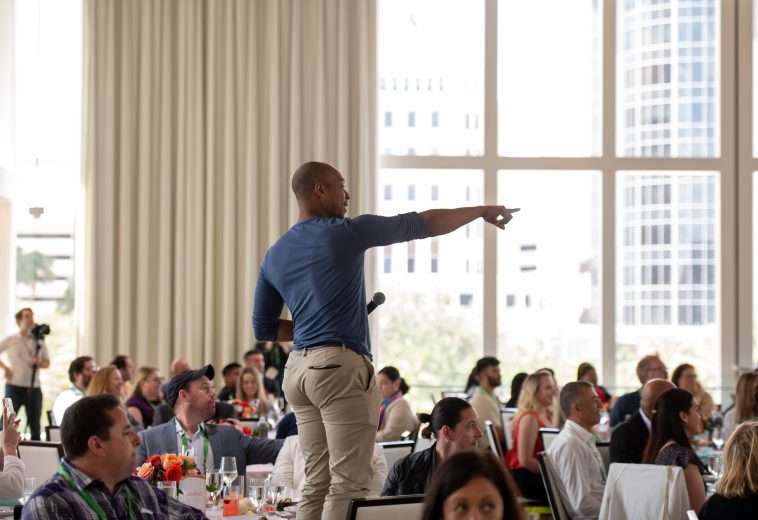
Both Monday and Tuesday included dedicated one-on-one meeting time with suppliers, structured so that conversations had real depth instead of the rushed quality you get from a typical trade show floor. I learned about destinations I had never seriously considered and partners I had not previously thought to evaluate, and those conversations felt like the beginning of relationships rather than a stack of business cards collected out of obligation. For a planner, that structured time is often the most valuable part of an event like this, and Smart Meetings clearly understood that.
The Afternoon
The relationship building happened just as naturally alongside the business of the event as it did in the structured sessions. The afternoon at Five Iron Golf gave everyone a chance to have fun together outside of meetings and presentations, and the lighter mood carried straight through into how people talked to each other afterward. Conversations that started in a formal one-on-one earlier that day picked back up more easily, and the suppliers I had just met began to feel like people I actually knew by the time we sat down to dinner that evening.
The team also left room for people to rest or step away if that is what they needed, and that flexibility mattered as much as the activity itself. It is easy to underestimate how much unstructured, low-pressure time does for the relationships an event is ultimately trying to build, and Smart Meetings clearly built it in on purpose rather than leaving it to chance.
The Evening
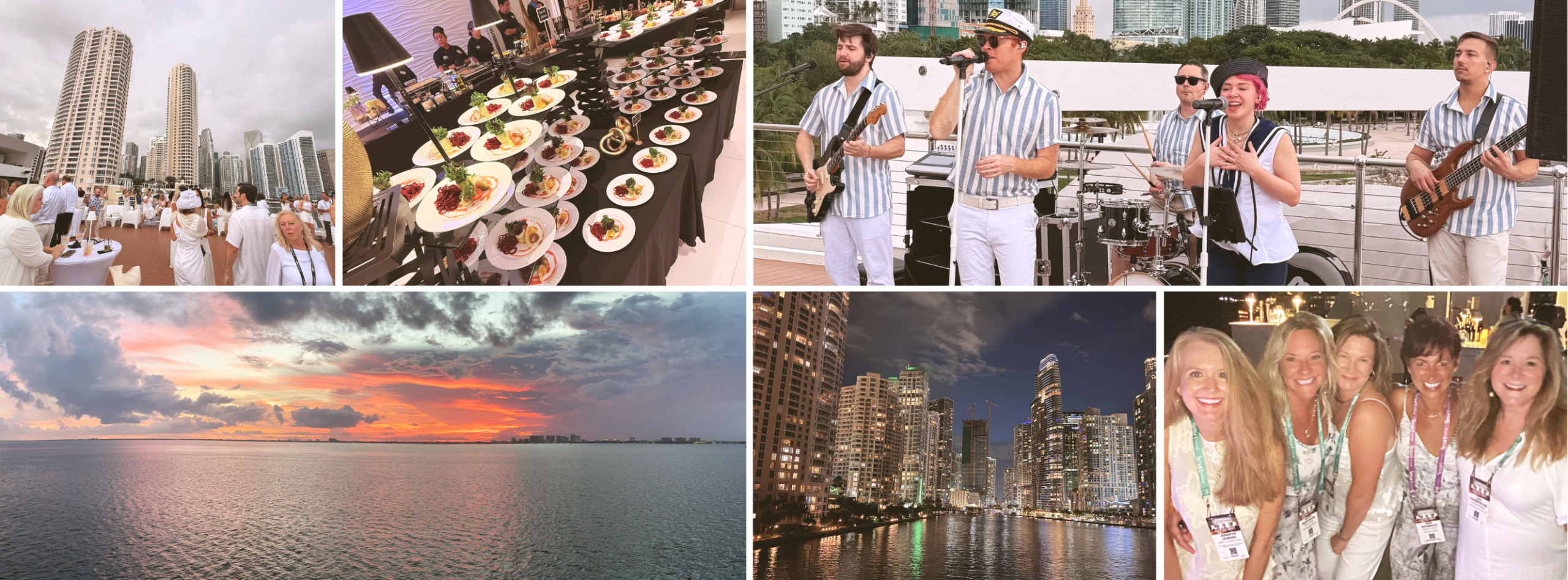
Tuesday closed with dinner aboard Seafaire Yachts in Biscayne Bay, and I was thrilled to finally experience the luxury I had heard about for years firsthand. The ocean air, the delicious food, the breathtaking sunset, and dancing on deck as we cruised back toward the magnificent city skyline. It wasn’t any single part of it that made the difference. It was the way the whole evening let the connections built over the trip finally settle in, unhurried, before everyone had to say goodbye.
 What It Adds Up To
By the time I left on Tuesday, after a final round of one-on-one meetings and lunch, the Smart Meetings team still knew who I was and made a point of acknowledging that my presence mattered to them. That consistency, from the first bellman greeting to the final goodbye, is what stayed with me most.
None of what made this event work required expensive technology or complicated data systems. It required a team willing to do the work of understanding its audience and enough flexibility built into the schedule to let different people get what they actually needed, whether that was a quiet afternoon by the pool, a real conversation with a new partner, or simply the feeling of being remembered by name.
That is the real lesson for anyone designing events. Personalization does not come from predicting what people want before they know it themselves. It comes from building enough optionality into an experience that people can choose it for themselves, and from a team genuinely committed to making sure everyone in attendance feels like they matter.