

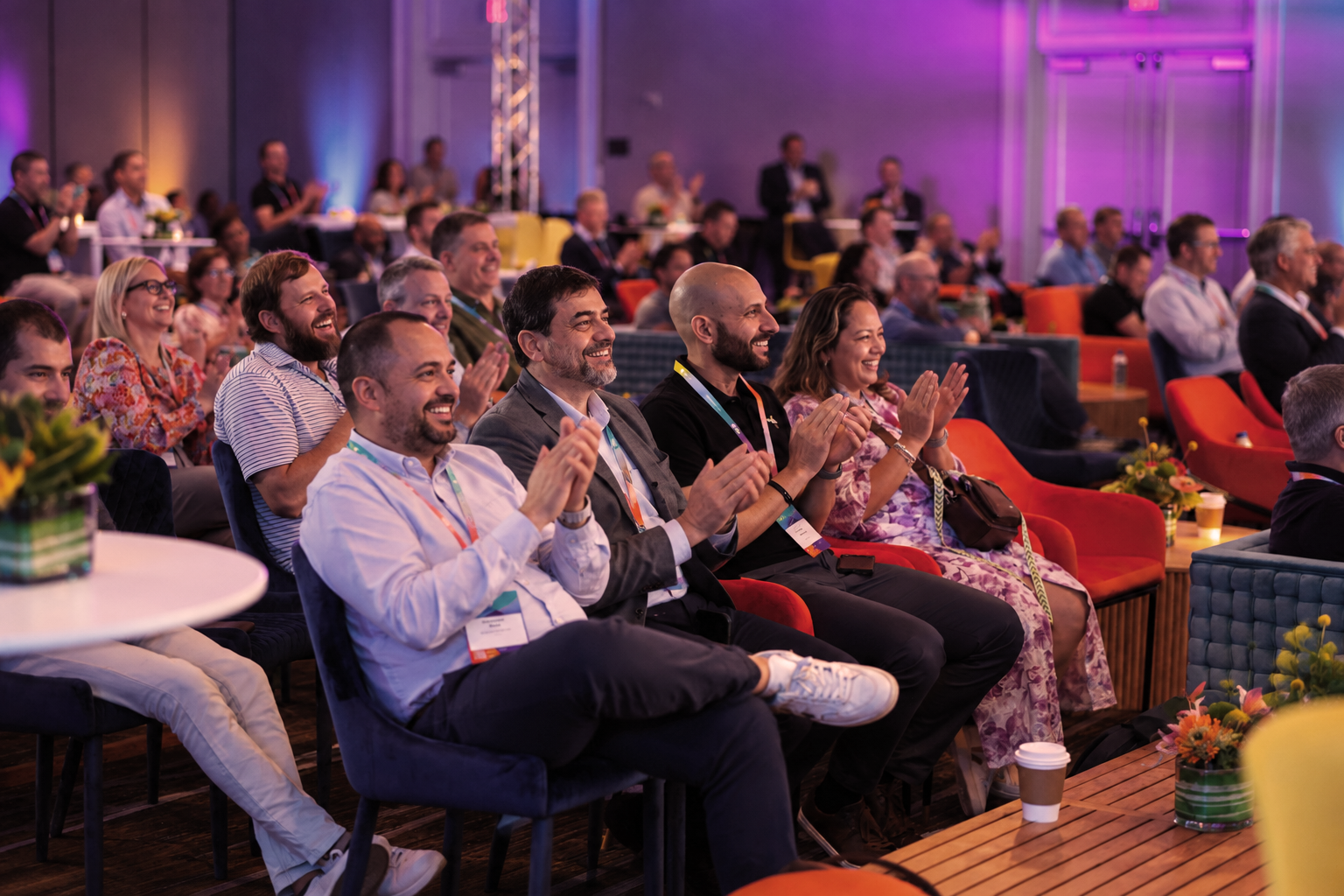
When planning a conference, it’s natural to think about the attendee experience in terms of programming, networking opportunities, hospitality, and the overall atmosphere. These are the elements that bring people together and give them a reason to attend.
But there’s another layer to the attendee experience that deserves just as much consideration: the technical decisions that influence how people see, hear, participate, and connect throughout an event.
Lighting, sound, staging, video, and room design aren’t simply production details. They influence how attendees experience the content, how comfortable they feel in the environment, and how effectively the event delivers on its objectives.
For meeting planners, understanding the connection between technical choices and attendee experience can lead to better decisions long before the first guest arrives.
Start With the Experience, Not the Equipment
Before deciding how large the screens should be or what the stage should look like, consider what you want attendees to experience.
Is the general session intended to inspire and energize? Is the goal to encourage thoughtful discussion? Are attendees gathering to celebrate achievements, learn new skills, or build relationships?
Each objective suggests a different approach to the environment.
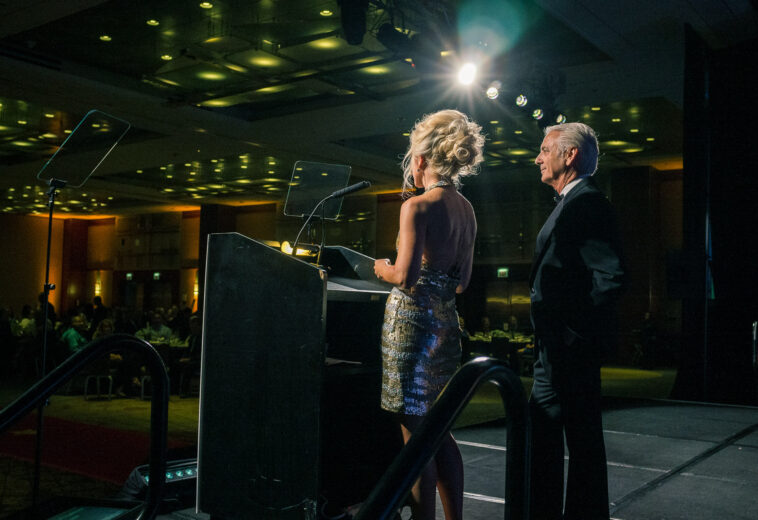
An awards gala might benefit from dramatic lighting, carefully timed music, and a stage design that makes every recipient feel celebrated. An educational conference might place greater emphasis on clear sightlines, comfortable lighting, readable presentations, and an environment that supports concentration.
Neither approach is inherently better. The right decisions depend on what the event is trying to accomplish.
A useful planning exercise: For each major part of your program, identify what attendees should feel, understand, or do. Then consider how the room environment and production elements can support that outcome.
Consider What Attendees Actually See
A room can look impressive in a rendering and still create challenges for the people sitting in it.
Think about the attendee seated near the back corner of a ballroom. Can they comfortably see the presenter? Is the presentation content readable? Are decorative elements interfering with their view? If a panel discussion is taking place, can they follow the conversation without constantly turning their head?
Screen size is only one part of the equation. Screen placement, viewing angles, seating arrangements, stage height, and the type of content being displayed all affect visibility.
For example, a large screen positioned too high may require attendees in the front rows to look upward for an extended period. A beautifully designed presentation may become difficult to read when displayed on a screen that is too small for the room.
These are considerations worth addressing during the design process, rather than discovering them during rehearsals.
Questions to ask during your room design review:
- Can attendees see the presenter and presentation content from every seating area?
- Will the smallest text in presentations be readable from the back of the room?
- Does the stage design support the program, or does it compete for attention?
- Have sightlines been evaluated from the sides of the room, not just the center?
Sound Influences More Than Whether People Can Hear
Audio quality has a direct impact on how attendees engage with a program.
When sound is unclear, inconsistent, or uncomfortable, people have to work harder to follow what’s happening. They may miss important information, become distracted, or disengage from the presentation altogether.
Good audio design considers the room, the audience, and the type of program being presented.
A keynote speaker, panel discussion, musical performance, and interactive workshop each have different audio requirements. The appropriate microphone selection, speaker coverage, and sound levels should reflect those differences.
It’s also worth considering how sound affects the spaces surrounding the main program. Music that creates energy during a reception may interfere with conversation if it’s too loud. Audio from one breakout room may disrupt another if the spaces aren’t adequately separated.
The goal isn’t simply to make everything audible. It’s to create an environment where people can listen comfortably and participate naturally.
Lighting Helps Shape the Energy of the Room
Lighting is one of the most effective tools for influencing atmosphere, yet its role extends well beyond aesthetics.
Thoughtful lighting helps direct attention, establish transitions, and create an appropriate environment for each part of the event.
Consider a general session that moves from an energetic opening video into a keynote presentation. Lighting can help make that transition feel intentional, guiding the audience’s attention from the screens to the speaker.
During an awards ceremony, lighting can create anticipation and make individual recognition moments more meaningful. During a panel discussion, balanced stage lighting allows attendees to see facial expressions and connect more naturally with the speakers.
At the same time, the room must remain comfortable and functional.
Attendees may need enough light to take notes, navigate between tables, or participate in activities. Presenters need to see their audience without being distracted by poorly positioned fixtures. Camera coverage may require lighting adjustments that aren’t immediately obvious from the audience’s perspective.
The most effective lighting design balances atmosphere, visibility, comfort, and the needs of the program.
Pay Attention to Transitions
Attendees experience an event as a continuous journey, not as a collection of separate production cues.
The moments between sessions can have a surprising influence on how the event feels.
Consider what happens when a keynote ends. Does the room immediately become bright enough for attendees to move comfortably? Is there clear direction about where they should go next? Does the transition music support the energy of the moment? If another presentation follows, is the stage ready without an awkward delay?
These details may seem small individually, but together they influence the pace and professionalism of the experience.
Transitions are also an opportunity to reinforce the event’s personality. Music, lighting, video content, and thoughtful timing can create continuity throughout the program.
During planning, walk through the event from the attendee’s perspective. Pay particular attention to what happens between the major moments, because that’s often where unnecessary friction appears.
Design for Participation, Not Just Presentation
Many conferences aim to create more interaction, but participation requires more than adding a question-and-answer session to the agenda.
The room environment and technical setup can either encourage or discourage engagement.
For example, asking attendees to participate in a discussion may be less effective if the room is arranged so that participants cannot see one another. Audience microphones may be necessary for a large general session, while smaller workshops may benefit from a more conversational setup.
If attendees are expected to use mobile devices for polling or other interactive activities, reliable connectivity becomes part of the experience. If a program includes remote presenters or participants, the technology should allow them to contribute without feeling disconnected from the room.
The key is to think about participation during the planning process, not after the room design and technical requirements have already been finalized.
Evaluate the Experience From Different Perspectives
One of the most valuable exercises a planning team can undertake is to evaluate the event from the perspective of different participants.
An attendee seated in the back of the ballroom has a different experience from a presenter standing onstage. A sponsor hosting a networking activity has different needs from an executive delivering an important announcement.
Each perspective can reveal opportunities for improvement.
Before finalizing your event design, consider:
- Attendees: Can they see, hear, navigate, and participate comfortably?
- Presenters: Do they have the tools, preparation, and environment needed to deliver their message effectively?
- Sponsors: Are their experiences thoughtfully integrated into the event?
- Event staff: Can they manage the program and respond to attendee needs without unnecessary obstacles?
- Remote participants, when applicable: Can they follow the content and participate meaningfully?
This exercise helps connect individual production decisions to the larger purpose of the event.
Bringing It All Together
The attendee experience is shaped by hundreds of decisions, many of which happen months before the event begins. Some are highly visible, like the stage design or opening presentation. Others are nearly invisible when handled well, such as consistent audio coverage, smooth transitions, and comfortable room lighting.
The most important consideration is how those decisions work together.
A technically sophisticated event isn’t necessarily a better event. Bigger screens, more elaborate lighting, and additional technology don’t automatically improve the experience. Their value comes from how effectively they support the people in the room and the purpose of the gathering.
For meeting planners, the opportunity is to connect event objectives, creative decisions, and technical planning from the beginning. When those elements are considered together, the result is an experience that feels more intentional, more engaging, and more valuable to everyone involved.
At Technisch Creative, this connection between creative direction, production leadership, and technical execution guides how we approach conferences and live events. We believe the best production decisions begin with understanding the people who will experience them.