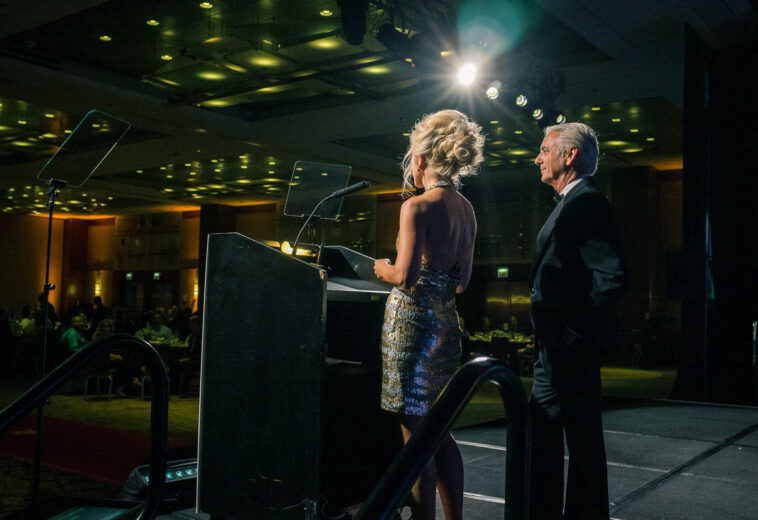

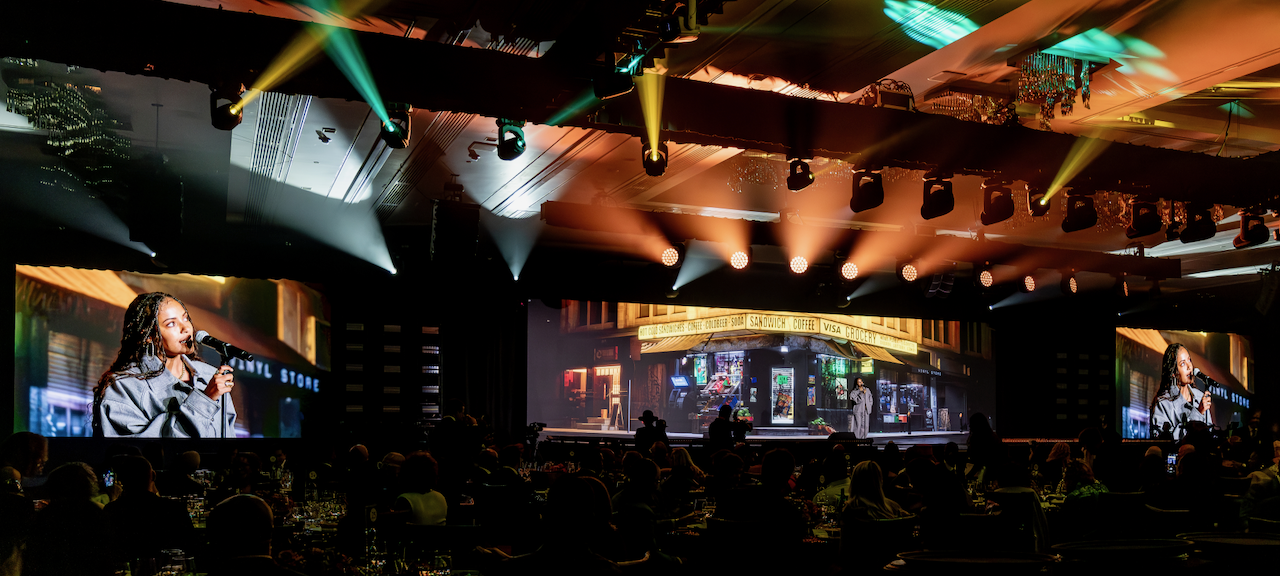
When people think about event production, they often picture equipment: screens, lighting, audio systems, cameras. But experienced planners and production teams understand something more important. Technical production is not just about execution. It’s about risk management.
The Risks Most Teams Don’t See
Every event carries risk, whether it’s acknowledged or not. Some risks are obvious: equipment failure, power issues, disruptions to show flow. Others are far less visible: misaligned expectations between stakeholders, incomplete run-of-show details, gaps in communication between teams. These hidden risks don’t always surface during planning. They show up onsite, fast.
Where Problems Actually Start
Most event issues don’t begin on the day of the event. They start earlier, with assumptions that go unconfirmed, details that feel “good enough,” and timelines that leave no room for adjustment. By the time the event begins, those small gaps have become real problems, and at that point, options are limited.
What Strong Production Actually Does
A strong production partner doesn’t just “provide AV.” They ask detailed questions early, identify potential gaps before they grow, and build a structure around the event that holds under pressure. That means clear run-of-show development, defined roles and responsibilities, technical planning aligned with venue constraints, and backup plans for critical elements. None of this is flashy, but all of it is essential.
Prevention vs. Reaction
There are two ways to handle production challenges: fix problems as they happen, or reduce the chance of problems occurring in the first place. The difference is significant. Reactive teams work under pressure. Proactive teams create stability. And stability is what allows an event to feel smooth, controlled, and professional.
Why Simplicity Often Wins
Overly complex setups increase risk. More equipment means more points of failure, more coordination required, and more pressure on timing. That doesn’t mean events should be minimal. It means every element should have a purpose. Well-planned, intentional production often delivers better results than overbuilt environments.
What This Looks Like in Practice
Risk-aware production means realistic timelines instead of optimistic ones, thorough pre-production planning, equipment choices based on reliability rather than scale, and teams that are fully aligned before load-in begins. From the audience’s perspective, none of this is visible. They simply experience an event that runs the way it should.
The Bottom Line
Great events don’t happen because everything goes right. They happen because teams plan for what could go wrong and address it early. That’s what technical production is really about: not just execution, but control, preparation, and confidence.
Let’s Plan with Fewer Surprises
If you’re planning an event and want a production partner who helps reduce risk rather than just react to it, let’s start the conversation.